

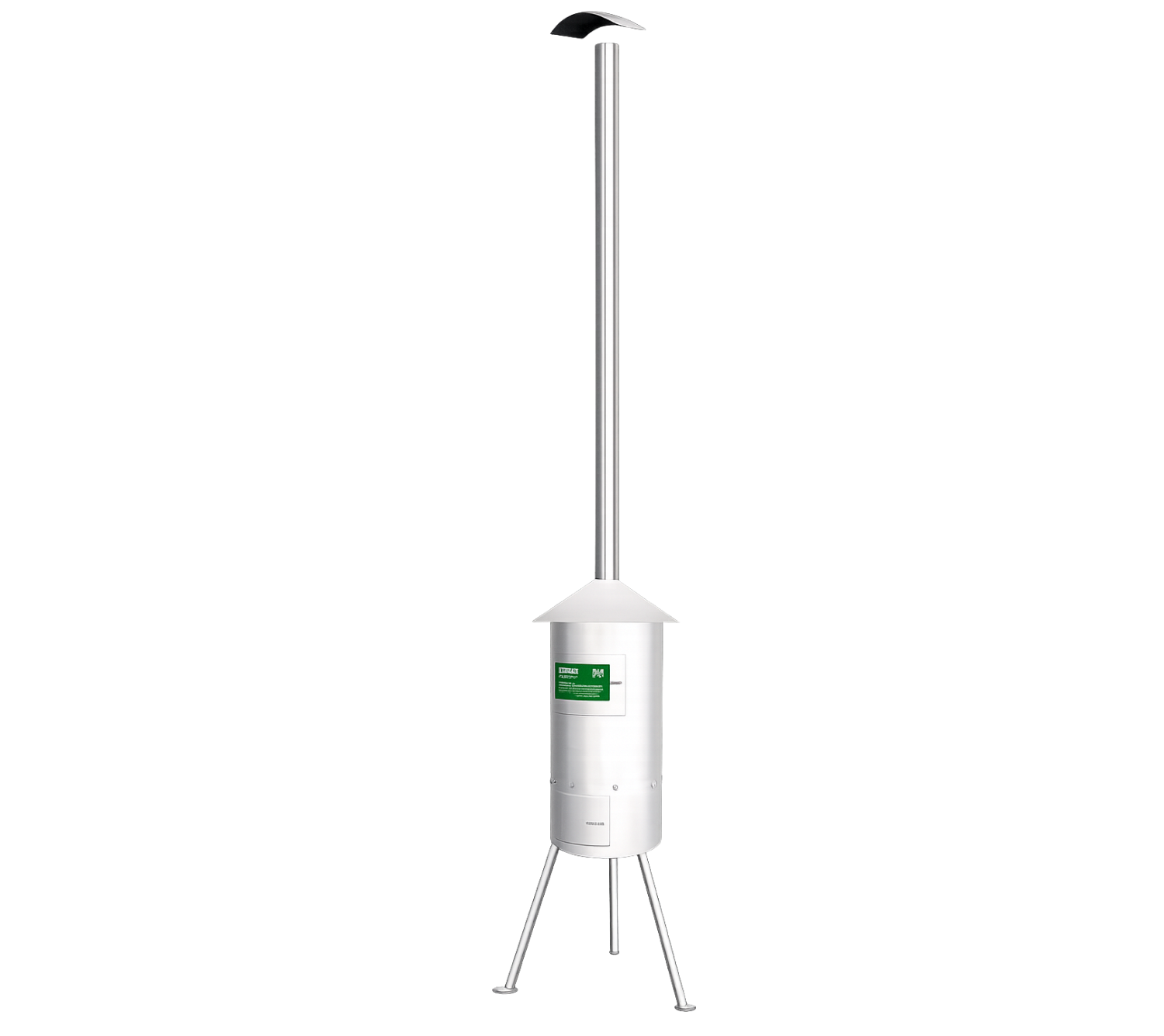
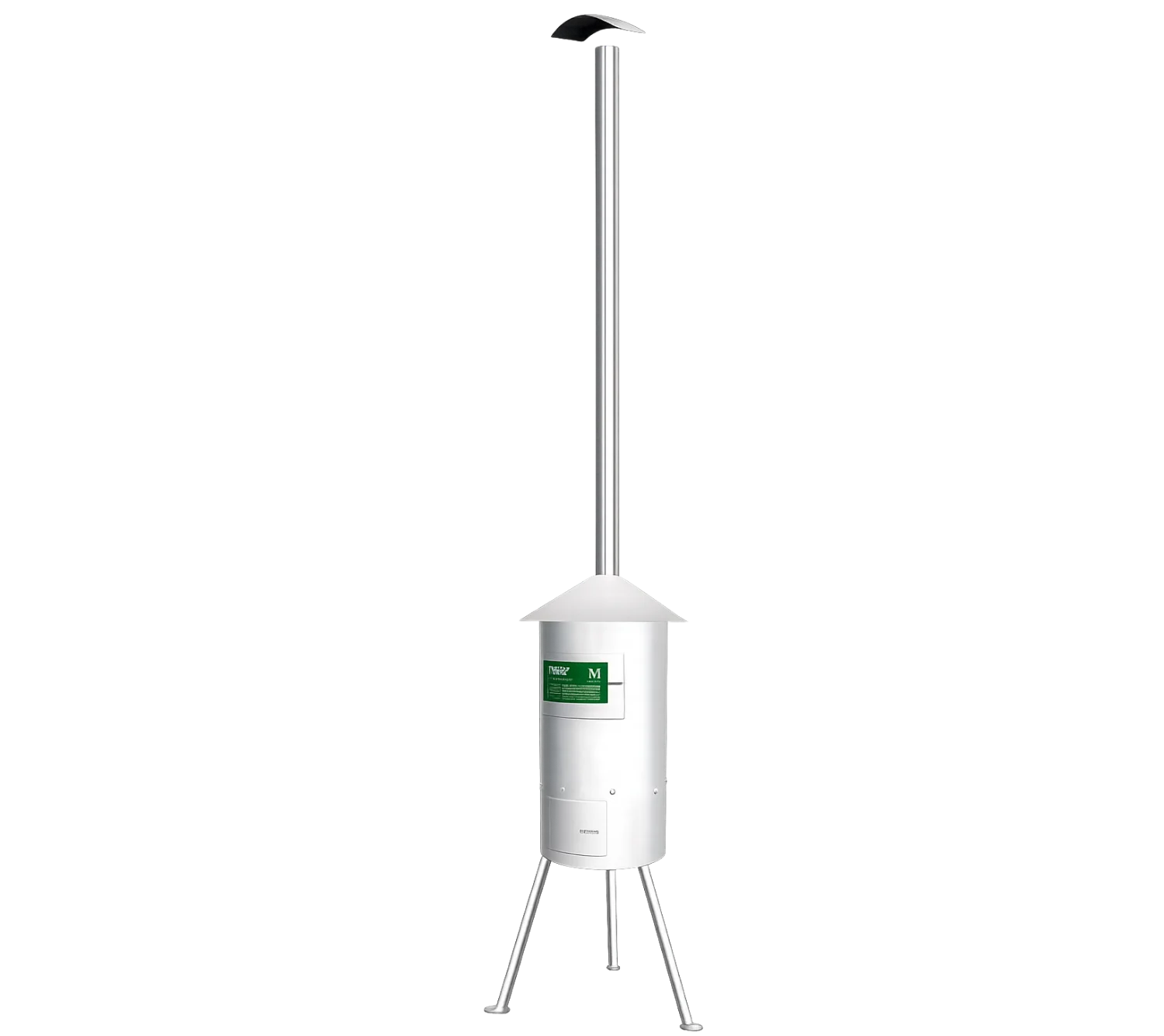
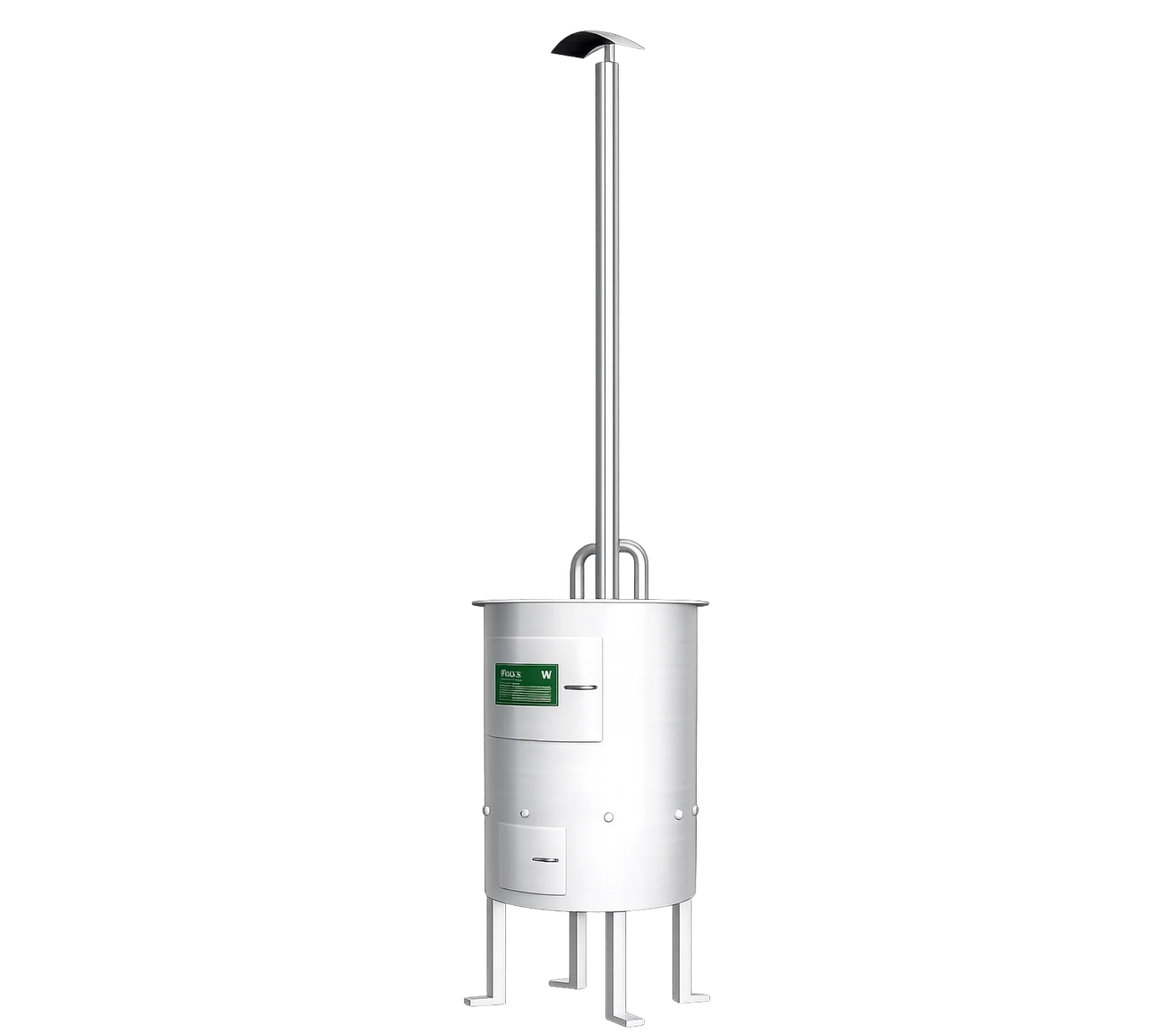
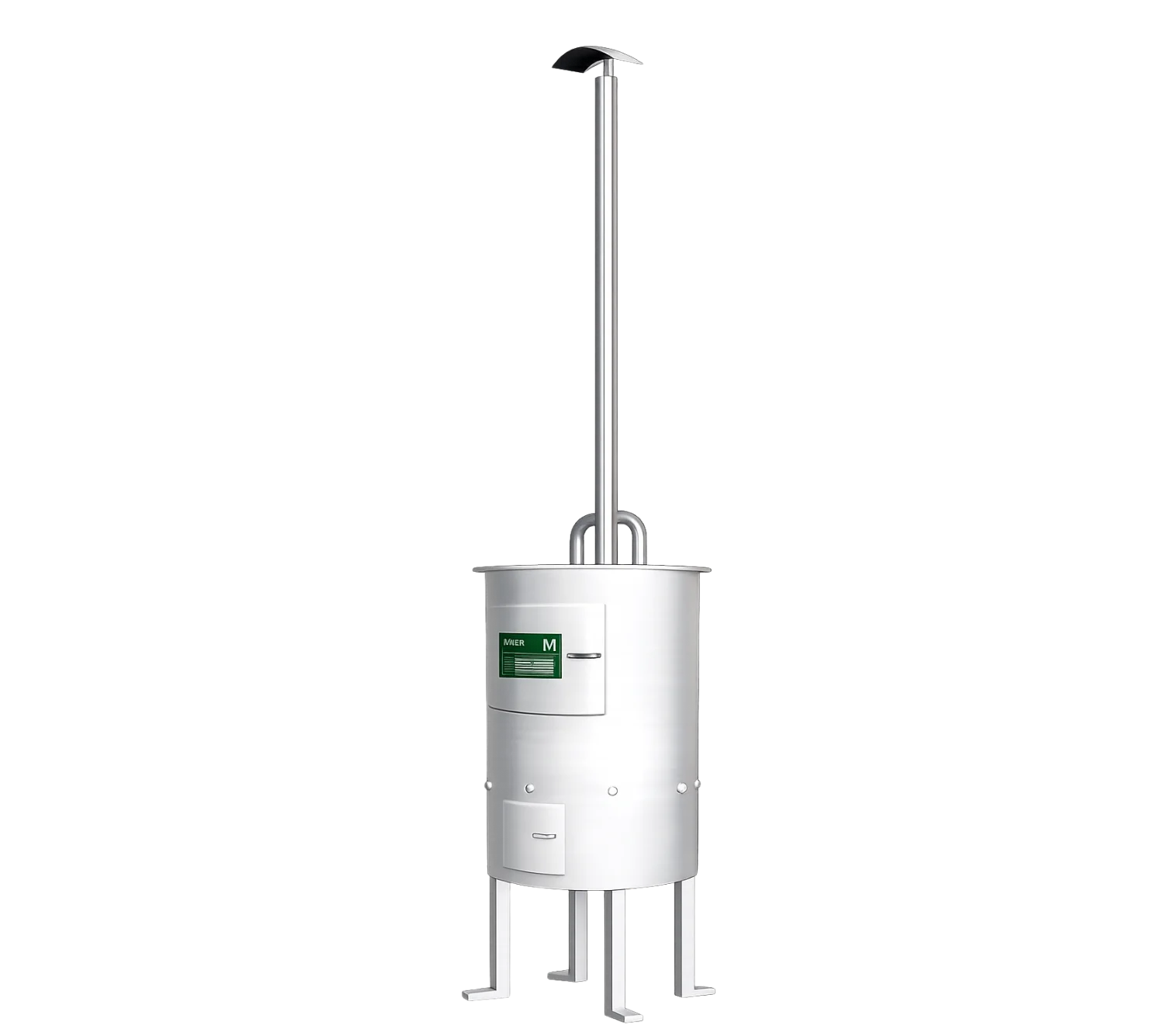

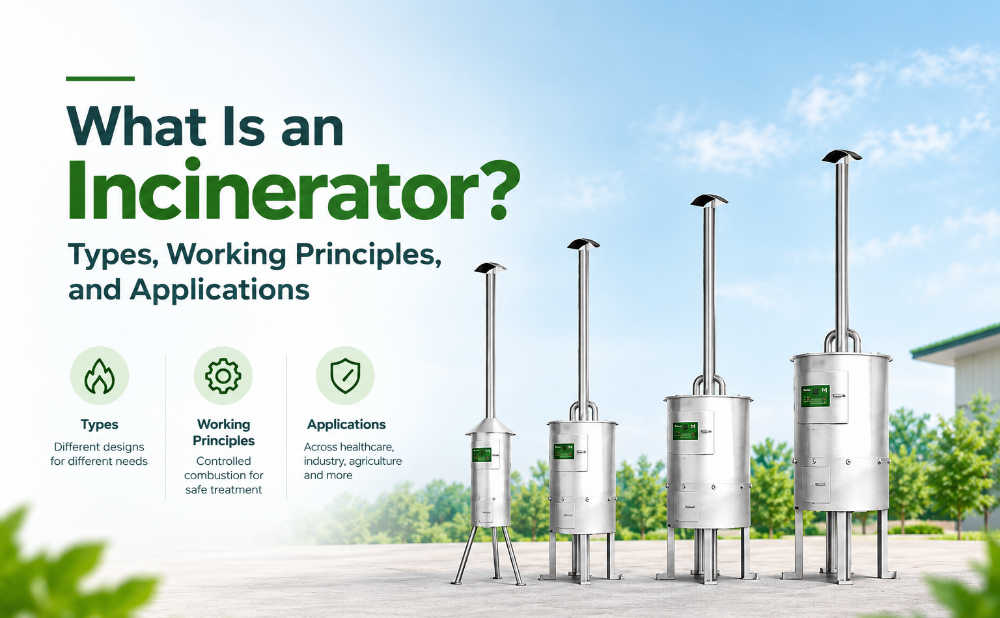
Proper waste management has become a critical operational requirement for healthcare facilities, industrial plants, agricultural farms, and municipal bodies. As landfills reach capacity and open dumping poses serious environmental hazards, thermal waste treatment technology offers a controlled approach to managing suitable waste streams.
At the forefront of thermal waste treatment is the incinerator—an engineered system designed to destroy suitable waste materials through controlled combustion, reduce waste volume, and help neutralize pathogens under validated operating conditions. Whether you are learning how high-temperature combustion works, evaluating incinerator types for your facility, or looking for reliable waste treatment machinery, this guide explains incinerator principles, designs, applications, and environmental considerations.
What Is an Incinerator? Core Definition and Purpose
An incinerator is a specialized, high-temperature furnace designed for the controlled thermal treatment of suitable solid, liquid, or gaseous waste materials. Unlike open burning, which can generate excessive smoke and harmful emissions, engineered incineration uses controlled combustion chambers with monitored temperature, airflow, and gas residence time.
The Core Purpose of Incineration
- Waste Volume Reduction: Incineration can substantially reduce waste volume depending on its composition, moisture content, and the equipment design. The remaining ash still requires appropriate handling.
- Pathogen Reduction: Properly designed and operated systems can destroy pathogens in suitable medical and biological waste streams.
- Thermal Treatment of Organic Contaminants: Appropriate combustion temperature, residence time, oxygen availability, and mixing help break down combustible organic compounds.
- Improved Waste Handling: Where permitted, on-site treatment can reduce waste accumulation and the risks associated with prolonged storage and handling.
Essential Components of a Modern Incinerator System
Modern incinerators combine combustion equipment, temperature monitoring, safety controls, and appropriate emission treatment to support efficient operation and environmental compliance.
- Primary Combustion Chamber: Receives waste and initiates drying, ignition, and combustion. Refractory lining helps withstand high operating temperatures.
- Secondary Combustion Chamber: In a dual-chamber design, this chamber provides additional oxidation of gases released from the primary chamber under controlled conditions.
- Burners and Fuel System: Burners using an approved fuel, such as diesel or LPG, provide ignition and help maintain the required operating temperature.
- Air Pollution Control System (APCS): Depending on the waste stream and system design, equipment may include scrubbers, particulate filters, cyclones, and other gas-treatment components.
- Control Panel and Temperature Sensors: Monitor chamber temperatures and support burner control, operating sequences, and safety interlocks.
- Flue Stack or Chimney: Designed according to applicable engineering and regulatory requirements to discharge treated exhaust gases appropriately.
Step-by-Step Working Principle of an Incinerator
Incineration relies on controlled high-temperature oxidation. A typical process involves five main stages.
Step 1: Waste Segregation and Loading
Waste is inspected and segregated according to the equipment’s approved waste specifications. Batteries, pressurized containers, heavy metals, and incompatible materials must not be loaded unless the system is specifically designed and authorized to handle them.
Step 2: Primary Thermal Breakdown and Combustion
The primary burner raises the chamber temperature to the required operating level. Moisture evaporates, combustible materials ignite, and organic waste undergoes thermal decomposition and combustion.
Step 3: Secondary Thermal Oxidation
Combustion gases pass into the secondary chamber, where controlled temperature, oxygen availability, mixing, and residence time support oxidation of unburnt gases and organic compounds. The required operating conditions depend on the waste category and applicable regulations.
Step 4: Exhaust Gas Treatment
Exhaust gases pass through the emission-control equipment specified for the installation. Depending on the system, treatment may address particulate matter, acid gases, and other pollutants before discharge.
Step 5: Ash Removal and Disposal
After the operating cycle is complete and the equipment has cooled according to the manufacturer’s instructions, the remaining ash is collected. Ash must be assessed and disposed of in accordance with its characteristics and applicable waste-management regulations.
Major Types of Incinerators and Thermal Treatment Systems
Incinerators are available in different configurations to accommodate specific waste characteristics, operating capacities, and treatment requirements.
1. Fixed-Grate or Batch-Loaded Incinerators
Design and Operation: These systems use a stationary grate or hearth where waste remains during a batch combustion cycle.
Typical Applications: Depending on capacity and approvals, they may serve smaller facilities, farms, veterinary establishments, and healthcare institutions processing suitable waste streams.
2. Rotary Kiln Incinerators
Design and Operation: A slowly rotating, refractory-lined cylindrical chamber tumbles waste to improve heat exposure and combustion.
Typical Applications: Certain designs are used for heterogeneous waste streams, including selected hazardous waste, industrial residues, and clinical waste.
3. Fluidized-Bed Incinerators
Design and Operation: Air flows upward through a bed of granular material, suspending it in a fluid-like state. This promotes heat transfer and combustion.
Typical Applications: Suitable applications include selected sludge, biomass, and relatively uniform waste streams that meet the system’s operating requirements.
4. Moving-Grate Incinerators
Design and Operation: Mechanically moving grates carry waste through drying, combustion, and burnout zones.
Typical Applications: These systems are commonly associated with large-scale municipal solid waste treatment and waste-to-energy facilities.
5. Liquid-Injection Incinerators
Design and Operation: Atomizing nozzles introduce suitable liquid waste into a combustion chamber as fine droplets to facilitate thermal oxidation.
Typical Applications: Certain chemical, petrochemical, and pharmaceutical facilities use these systems for approved liquid waste streams.
Comparison of Incinerator Types
| Incinerator Type | Key Feature | Typical Application |
|---|---|---|
| Fixed Grate | Stationary hearth and batch operation | Suitable smaller-scale waste streams |
| Rotary Kiln | Rotating refractory-lined chamber | Selected heterogeneous and hazardous waste |
| Fluidized Bed | Suspended granular bed with airflow | Suitable sludge and uniform waste streams |
| Moving Grate | Continuous mechanical waste movement | Large municipal waste facilities |
| Liquid Injection | Atomization of liquid waste | Approved industrial liquid waste |
Key Applications of Incinerators Across Industries
Thermal waste treatment has applications across several industries, provided the equipment is designed for the specific waste stream and operates under the relevant approvals.
- Medical and Healthcare Facilities: Treatment of approved infectious waste, contaminated dressings, and other suitable healthcare waste. Sharps, anatomical waste, and pharmaceutical waste require appropriate segregation and treatment procedures.
- Agriculture and Veterinary Care: Certain systems are designed for approved animal by-products and poultry or livestock waste, subject to disease-control and environmental requirements.
- Industrial and Chemical Plants: Specialized equipment may treat selected combustible industrial residues, solvents, and other process wastes.
- Pet Cremation Services: Purpose-designed cremation units provide controlled thermal treatment of animal remains.
- Municipal and Remote Installations: Suitable systems can support waste-management operations at remote facilities, industrial camps, and locations where conventional waste collection is challenging.
Environmental Considerations and Safe Operation
Choosing an incinerator involves more than combustion temperature or processing capacity. Responsible operation requires consideration of the complete waste-treatment process.
- Emission Control: Select pollution-control equipment according to the waste composition, expected emissions, and applicable standards.
- Regulatory Compliance: Confirm required permits, consents, monitoring procedures, and operating conditions with the relevant pollution control authority.
- Waste Segregation: Exclude incompatible materials and follow the manufacturer’s approved waste specifications.
- Operator Training: Ensure operators understand startup, shutdown, safety interlocks, maintenance, and emergency procedures.
- Ash Management: Handle and dispose of bottom ash and collected fly ash according to applicable waste classification and disposal requirements.
- Preventive Maintenance: Inspect refractory linings, burners, sensors, air systems, and emission-control equipment at the recommended intervals.
Choosing the right equipment: Consider the waste type, daily processing requirement, available fuel, installation conditions, emission-control requirements, maintenance needs, and applicable approvals before selecting an incinerator.
To compare available equipment, explore our range of incinerators and review the options suitable for your application.
Frequently Asked Questions (FAQs)
Q1. What types of waste can be processed in an incinerator?
The accepted waste depends on the model and its design. Some systems process suitable dry solid waste, while specialized units handle approved medical, agricultural, industrial, or liquid waste streams. Batteries, heavy metals, pressurized containers, and incompatible materials must be excluded unless specifically permitted by the system design and regulations.
Q2. How much waste volume can an incinerator reduce?
Volume reduction varies with waste composition, moisture, combustible content, and operating conditions. Significant reduction is possible, but a fixed percentage should not be assumed for every waste stream. The remaining ash still requires appropriate management.
Q3. Are modern incinerators environmentally safe?
Well-designed and properly operated incinerators can support controlled waste treatment. Their environmental performance depends on combustion conditions, suitable emission-control equipment, maintenance, waste composition, monitoring, and compliance with applicable standards. No system should be assumed to eliminate all emissions.
Q4. How do dual-chamber incinerators treat combustion gases?
The primary chamber burns the waste, while the secondary chamber provides additional oxidation of the resulting gases under controlled conditions. Appropriate emission-control equipment may then remove particulate matter and other pollutants before exhaust gases are discharged.
Q5. What routine maintenance does an incinerator require?
Routine maintenance may include removing ash after safe cooling, inspecting refractory linings, checking burner ignition and fuel systems, cleaning air passages, verifying temperature sensors, and servicing pollution-control equipment according to the manufacturer’s instructions.
Conclusion: MARS Incinerator – Incinerator Manufacturer and Supplier in Thrissur, Kerala
Selecting the right thermal waste-treatment system is important for operational efficiency, appropriate waste handling, and regulatory compliance. Facilities should evaluate waste type, daily capacity, fuel requirements, emission controls, maintenance needs, and applicable approvals before selecting a system.
MARS Incinerator, based in Thrissur, Kerala, provides incinerator and waste-management solutions for customers seeking equipment suited to different waste disposal requirements. The company serves customers across Kerala and other parts of India.
Why Consider MARS Incinerator?
- Multiple Models: Options including MARS NF 3, MARS NF 5, and MARS NF 20 to accommodate different waste-treatment requirements. Confirm the appropriate model and rated capacity for your application.
- Dual-Chamber Designs: Selected systems feature primary and secondary combustion chambers to support controlled thermal treatment.
- Emission-Control Options: Equipment configurations can be evaluated according to applicable environmental requirements and the intended waste stream.
- Application-Based Solutions: Choose a system based on waste characteristics, operating capacity, installation conditions, and fuel availability.
- Installation and Support: Technical guidance, installation assistance, and after-sales support help customers operate and maintain their equipment.
Looking for the Right Incinerator for Your Facility?
Explore available models and compare incinerator options for your waste-management requirements.
Explore Our Range of Incinerators
Need help choosing the right model? Contact our team to discuss your application, capacity requirements, pricing, installation, and technical support.